


Quick Summary
The benefits of breastmilk include a living fluid that adapts to the baby's needs, carrying antibodies, beneficial microbes and protective compounds that formula cannot fully copy. Breastfeeding is linked to improved infant immune development and fewer gastrointestinal illnesses, while mothers may gain faster postpartum uterine recovery.
- Breast milk composition changes across a feeding and across the months of lactation.
- Antibodies passed through milk help babies fight infections while their immune systems mature.
- Breastfeeding is associated with fewer gastrointestinal illnesses and lower infant mortality.
- The American Academy of Pediatrics recommends exclusive breastfeeding for about six months.
- Suckling releases oxytocin, which helps the uterus contract after delivery.
Table of Contents
- What Makes Breastmilk Different From Formula
- Benefits of Breastmilk for Infant Growth and Development
- Breastfeeding Benefits for Mother and Baby
- Advantages of Exclusive Breastfeeding and How Long Benefits Last
- Benefits of Breast Milk for Adults and Why Some Claims Are Unproven
- Disadvantages of Breastfeeding for Mothers and Who Needs Extra Support
- Expressed, Partial and Combined Feeding: Getting Benefits Without Exclusive Breastfeeding
- Dressing for Comfortable, Discreet Breastfeeding at Every Stage
- Frequently Asked Questions
What Makes Breastmilk Different From Formula
Last Updated: November 24, 2026
The benefits of breastmilk come from a living fluid that changes with the baby's age, feeding pattern and health, while formula is a fixed recipe. That difference matters for every benefit discussed below. This guide is for parents who want to understand what the research supports, what it does not, and how feeding choices can fit real life.
Breast milk contains bioactive compounds, antibodies, beneficial microbes, protective sugars and specialized fats that formula does not fully replicate. Researchers reviewing the field describe breast milk as a source of beneficial microbes linked to improved infant health and immune development (review of beneficial microbes in breast milk). Formula is designed to provide adequate nutrition, but it cannot copy the living components of human milk.
Breast milk also adapts. Its composition shifts across a feeding and across the months of lactation, responding to the baby's needs. That adaptability is one reason clinicians place so much weight on feeding choices in the first months of life.
Benefits of Breastmilk for Infant Growth and Development
Breastfeeding supports healthy growth and development, and the strongest evidence links longer breastfeeding with favorable outcomes. A study from Children's Hospital Los Angeles researchers followed children into ages 9 and 10 and reported that children who breastfed longer were likely to have healthy BMI and height-to-weight ratios (Children's Hospital Los Angeles study on breastfeeding duration).
Development is more than physical growth. Breast milk supplies nutrients that support the brain and body as they mature, which is why feeding decisions are discussed alongside developmental milestones at well-child visits.
Immune Protection, Antibodies and Infection Risk
The immune benefits are among the best documented. Breastfeeding is associated with improved infant immune development, fewer gastrointestinal illnesses and lower infant mortality (review of breastfeeding and infant immune health). Antibodies passed through milk help the baby fight infections while its own immune system matures.
Infection risk is a practical concern for parents, and breast milk offers real protection, though it does not make a baby immune to illness. Feeding exclusively at the breast during the first months is the pattern most associated with these benefits.
Long-Term Links to Asthma, Allergies, Obesity and SIDS
Long-term associations are harder to pin down. Studies have linked breastfeeding with lower rates of asthma, allergies, obesity and sudden infant death syndrome, but many of these associations come from observational research, where other family factors can influence results. Parents should read these links as signals, not guarantees. A 2014 analysis titled "Is Breast Truly Best?" examined long-term child outcomes in the United States and urged caution in interpreting the size of the effects.
The article's main infant-related findings are summarised below, with the strength of evidence noted for each.
| Benefit | Evidence | Note |
|---|---|---|
| Immune development | Improved infant immune development | Antibodies help while immunity matures |
| Gastrointestinal illness | Fewer cases linked to breastfeeding | Association, not a guarantee |
| Infant mortality | Lower rates associated with breastfeeding | Observational evidence |
| Healthy BMI and height-to-weight | Linked to longer breastfeeding (CHLA study, ages 9-10) | Study in children aged 9 and 10 |
| Asthma, allergies, obesity, SIDS | Lower rates in some studies | Many associations are observational |
| Recommended duration | Exclusive breastfeeding for about six months | AAP recommendation; continued feeding alongside complementary foods |
Breastfeeding Benefits for Mother and Baby
Breastfeeding is a two-way relationship, and mothers experience measurable physiologic effects alongside the infant benefits. The strongest maternal evidence concerns postpartum recovery, and the most consistent findings involve the uterus, blood loss, and long-term cancer risk.
Postpartum recovery. Suckling triggers release of oxytocin, which causes the uterus to contract. Suckling triggers release of oxytocin, which causes the uterus to contract, and the same hormone release is one reason many mothers report cramping during the first days of feeding. Oxytocin also supports the let-down reflex and is associated with calmer maternal mood in the immediate postpartum period, though the effect on clinical postpartum depression is mixed and should not be oversold.
Reduced postpartum blood loss. Because uterine contraction helps compress bleeding vessels after delivery, breastfeeding is associated with lower rates of postpartum hemorrhage in observational data. This is a plausible mechanism rather than a guarantee, and mothers with risk factors for hemorrhage need clinical monitoring regardless of feeding method.
Lower risk of breast and ovarian cancer.
Metabolic and cardiovascular effects.
Lactational amenorrhea. Exclusive breastfeeding can delay the return of menstruation through suppression of gonadotropin-releasing hormone.
Bonding and emotional well-being. Physical closeness and skin-to-skin contact support bonding, and feeding is often a reliable routine during the early weeks. Bonding is not exclusive to breastfeeding, however; bottle-feeding parents build the same attachment through eye contact, holding, and responsive feeding.
Watch out: Mothers with certain medical conditions, or who take medications that pass into milk, may be advised against breastfeeding or against specific feeding patterns. Personal benefits and risks should be discussed with a clinician rather than assumed from population-level data.
Advantages of Exclusive Breastfeeding and How Long Benefits Last
The American Academy of Pediatrics recommends exclusive breastfeeding for approximately six months, with continued breastfeeding alongside appropriate complementary foods (AAP policy statement on breastfeeding and human milk). Exclusive breastfeeding is the pattern most associated with the infection-protection benefits described above.
Benefits do not switch off at a single date. Many families continue breastfeeding past six months, and the value of each feeding depends on the baby's health and the family's goals. Stopping earlier is a valid choice, and the advice to continue is a guideline, not a test.
Benefits of Breast Milk for Adults and Why Some Claims Are Unproven
Some online sources claim breast milk benefits adults with conditions unrelated to infancy. The evidence for most of these claims is limited or unproven, and readers should be skeptical of promises made without clinical trials. Breast milk is best understood as infant nutrition, and claims about adult health should be treated with caution until they are supported by solid research.
Disadvantages of Breastfeeding for Mothers and Who Needs Extra Support
Breastfeeding is not easy for everyone. Common challenges include sore nipples, engorgement, latch problems, low milk supply concerns and fatigue from frequent feeds. Some mothers face medical conditions or medications that make breastfeeding difficult or inadvisable, and those mothers deserve clear information rather than pressure.
Extra support helps. Lactation consultants, pediatricians and peer groups can help troubleshoot problems early. Parents who struggle should not feel they have failed.
Expressed, Partial and Combined Feeding: Getting Benefits Without Exclusive Breastfeeding
Many families combine breast milk with formula, pump and bottle-feed, or breastfeed partially. Partial feeding still delivers some benefits, and expressed milk can be given by bottle. Safe storage and handling matter, so families should follow current guidance on how long expressed milk keeps at room temperature, in the refrigerator and in the freezer.
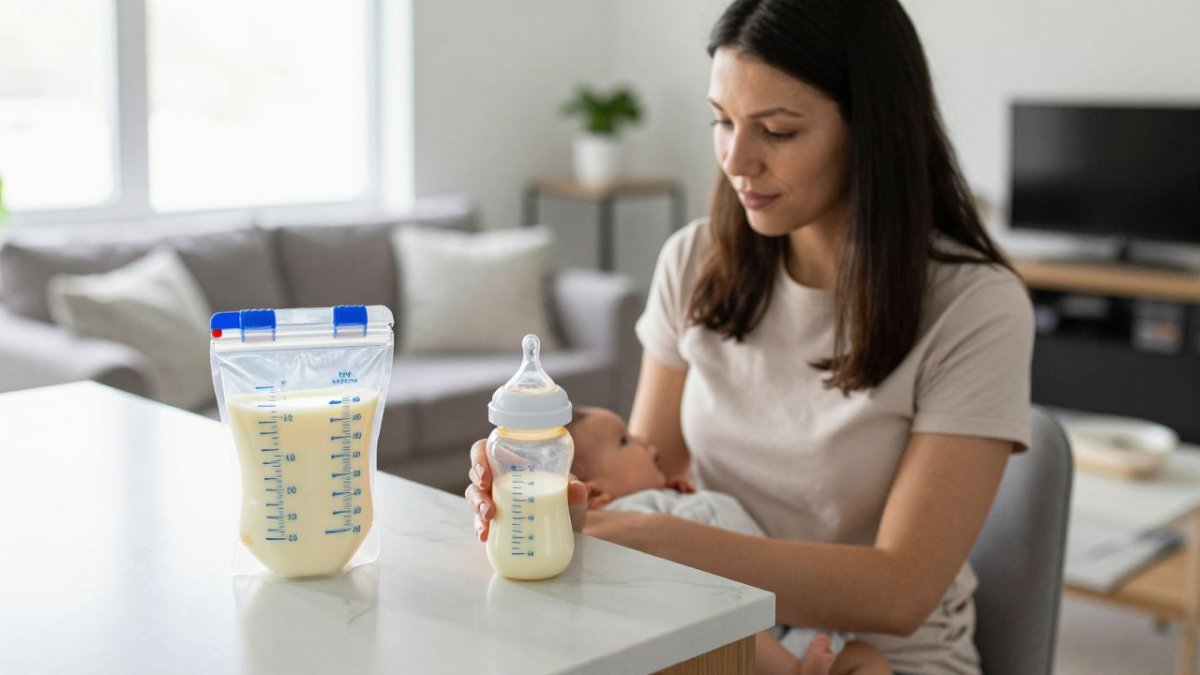
Combined feeding is a common, legitimate choice. A feeding plan that the family can sustain usually does more good than an ideal plan that causes stress and burnout. Nursing-style clothing with easy access can help mothers move between breastfeeding and pumping. The Flowy Nursing Tank Top, for example, offers side nursing access for quick feeds. Explore the Flowy Nursing Tank Top.

Dressing for Comfortable, Discreet Breastfeeding at Every Stage
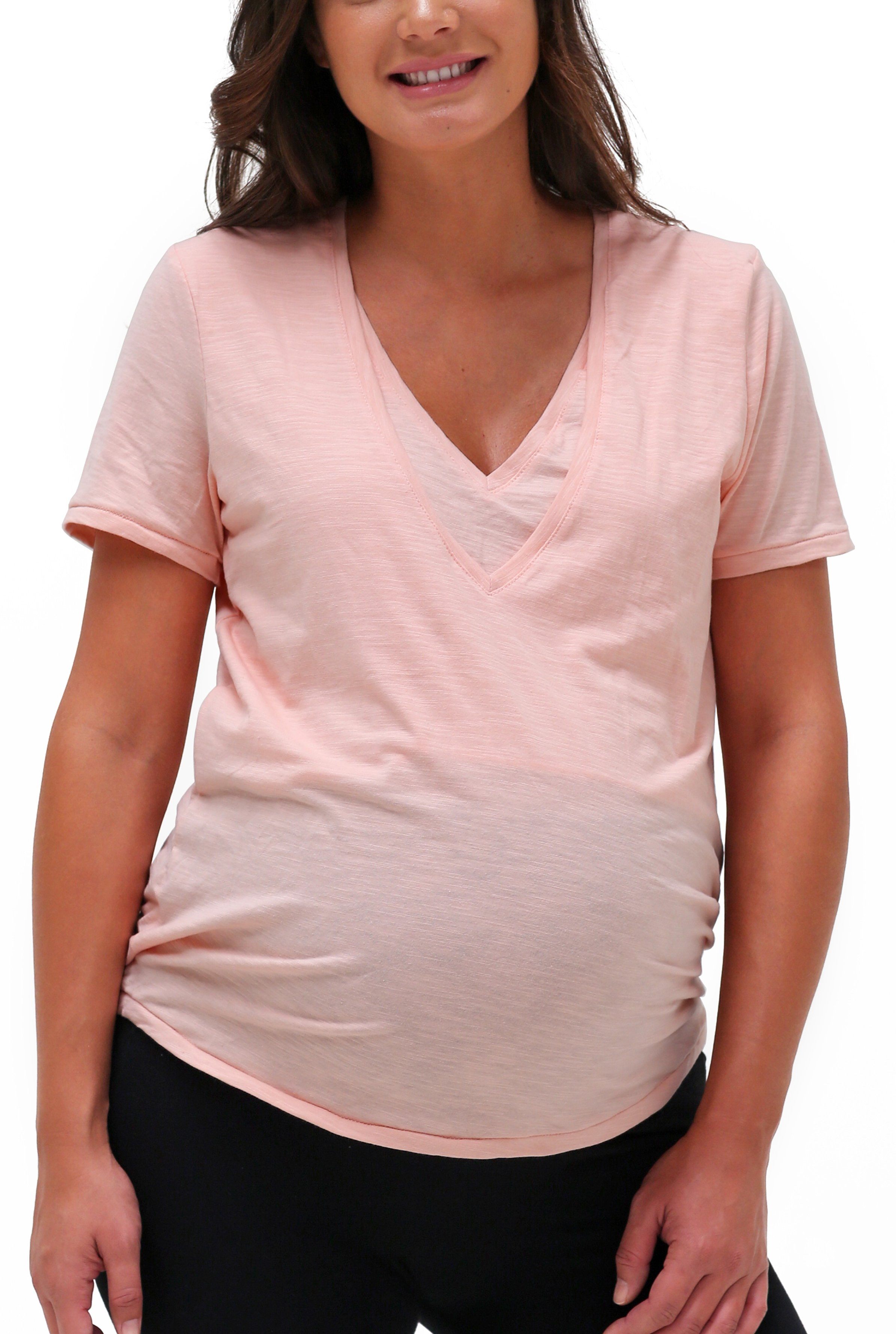
Clothing can make feeding far easier, whether you nurse at home, out in public or while pumping. Practical choices include tops that open at the side or front, fabrics that stretch and recover, and length that covers the belly during pregnancy and the midsection postpartum. Nursing tops with easy access and soft cotton blends can make everyday feeding simpler.
Start with a few versatile pieces rather than a full wardrobe. Read our guide to dressing for breastfeeding for ideas that work across seasons, or see how to build comfortable nursing outfits for everyday wear for combinations you can wear daily. For a current overview of options, browse our comfortable nursing tops guide. The V Neck Nursing Tee Shirt and Snap Ribbed Nursing Tank Top are other options for nursing access.

Watch out: Breastfeeding benefits are real, but no single feeding method guarantees a specific health outcome. Talk with your pediatrician or lactation consultant about your baby's needs before changing your feeding plan.
Frequently Asked Questions
Are there any benefits to drinking breastmilk as an adult?
Breast milk is designed for infants, and the strongest evidence for its benefits comes from studies of babies. For adults, claims about health benefits are not supported by reliable research. Breast milk is not harmful in most cases, but drinking it for supposed health gains lacks clinical backing. Adults who want to support their own nutrition and immune health are better served by a varied diet, adequate sleep and vaccines recommended by their doctor. Anyone considering consuming human milk should consult a healthcare provider first, especially around food safety and handling of milk from unscreened donors.
What are the advantages of exclusive breastfeeding?
The American Academy of Pediatrics recommends exclusive breastfeeding for approximately six months, followed by continued breastfeeding alongside solid foods. Research links breastfeeding to improved infant immune development and fewer gastrointestinal illnesses. Exclusive breastfeeding also requires no preparation or purchase of formula.
What are some disadvantages of breastfeeding for mothers?
Breastfeeding can bring real challenges, including sore or cracked nipples, engorgement, mastitis, fatigue from frequent feedings and time constraints for work or sleep. Some mothers experience pain or difficulty establishing supply, and others find it limits how far they can be away from their baby. These difficulties are common and often improve with support from a lactation consultant. Mothers facing persistent pain, low supply or emotional distress should contact a healthcare provider, since help is available and feeding choices should fit the family's circumstances.
How long do the benefits of breastfeeding last?
Some benefits appear during the feeding period itself, such as fewer infections and gastrointestinal illnesses. Other associations, including those with healthy weight patterns and reduced allergy risk, are reported in studies that follow children into later childhood. Associations are not guarantees, and some long-term outcomes are less clear. Benefits generally increase with the length and exclusivity of breastfeeding.




0 comments